 Living Beings
Compare species
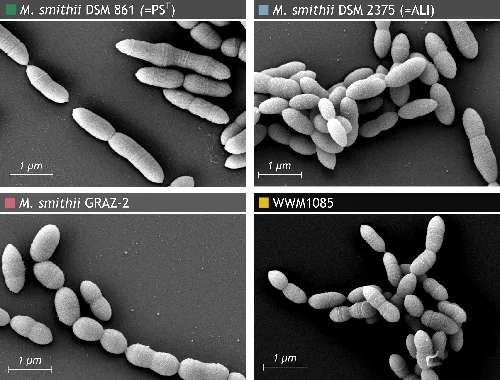
Methanobrevibacter smithii
Methanobrevibacter smithii
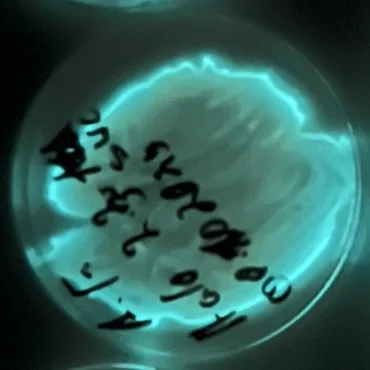
Aliivibrio fischeri
Aliivibrio fischeri
Evidence from the profiles
Compare their characteristics
| Trait | Methanobrevibacter smithii | Aliivibrio fischeri |
|---|---|---|
| Physical traits | Small cells require microscopy and validated taxonomic methods for study. Closely related gut methanogens need careful strain-level discrimination. | Small bacterial cells require microscopy for direct observation. Light emission is a physiological property, not a visible body-color diagnosis. |
| Habitat and range | The oxygen-poor distal intestine provides a host-associated environment supplied with microbial fermentation products. | Marine environmental phases and specialized host-associated sites provide distinct growth conditions. |
| Diet and nutrition | Hydrogen-consuming methanogenesis uses products released by other community members, contributing to methane formation. | Organic substrates support metabolism. Conditions inside a host can differ substantially from those in surrounding seawater. |
| Behavior and activity | Surface glycans, adhesin-like proteins and nutrient competition help explain persistence in the intestinal environment. | Chemical signaling and population context influence light production and other behaviors relevant to colonization. |
| Reproduction and life cycle | Cell multiplication occurs within suitable anaerobic conditions. Genomic comparisons distinguish strains and newly separated related species. | Cell multiplication and repeated opportunities for host colonization connect free-living and symbiotic phases. |
| Geographic distribution | Human-derived isolates and genomic studies document host-associated occurrence. A person's carriage cannot be inferred from a species profile. | Environmental and host-derived strains have documented collection localities. The origin of one experimental strain does not define the full range. |
| Ecological role | Removal of fermentation products can affect interactions among members of the gut microbial community. | The well-studied squid association demonstrates a microbial contribution to an animal's light-producing system. |
| Distinctive adaptations | The genome study identified surface glycans resembling those in the gut mucosa and regulated adhesin-like proteins. It also examined consumption of products made by carbohydrate-fermenting bacteria. These results explain potential mechanisms of persistence and microbial interaction; observations in experimental mice do not establish a health outcome for every human carrying this archaeon. | Bioluminescence, environmental sensing and colonization traits help explain the model symbiosis. |
Classification
Shared ancestry
Closest shared taxon: cellular organisms.