 Living Beings
 Framed for display
Species · Stentor
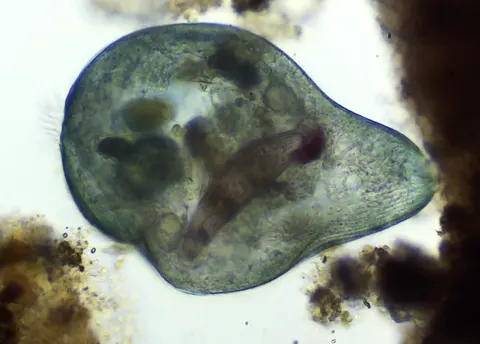
Stentor coeruleus
Stentor coeruleus
Stentor coeruleus is a large single-celled ciliate famous for reorganizing and regenerating damaged cell structures. Its elaborate body plan is built within …
Explore · Search and Discovery
Search published profiles and refine the results by classification or recorded nutrition.
162 results
Framed for display
Stentor coeruleus
Stentor coeruleus is a large single-celled ciliate famous for reorganizing and regenerating damaged cell structures. Its elaborate body plan is built within …
 Framed for display
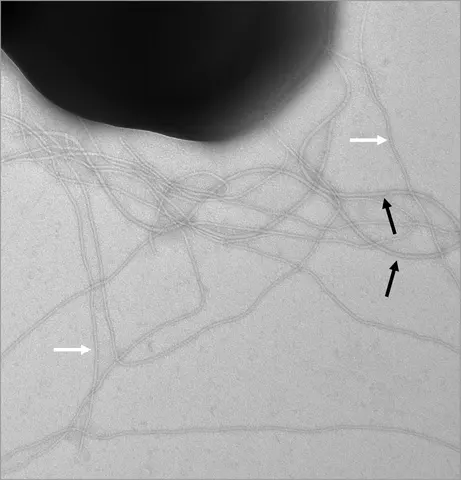
Streptomyces coelicolor
Streptomyces coelicolor is a filamentous soil bacterium and a model for studying microbial development and secondary metabolism. Its branching growth resembles a …
 Framed for display
Sulfolobus acidocaldarius
Sulfolobus acidocaldarius is an aerobic archaeon of hot, acidic terrestrial environments. The genome study of strain DSM639 reports optimal growth around 80 …
 Framed for display
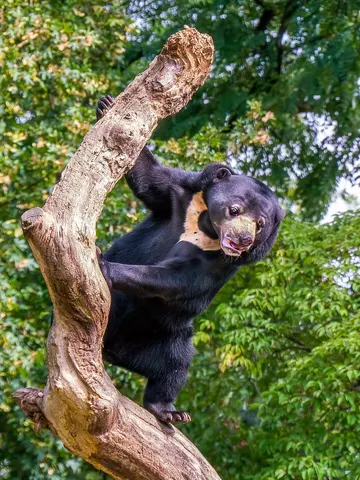
Helarctos malayanus
The sun bear is a small tropical forest bear of Southeast Asia. Curved claws, climbing ability and a long mobile tongue help …
 Framed for display
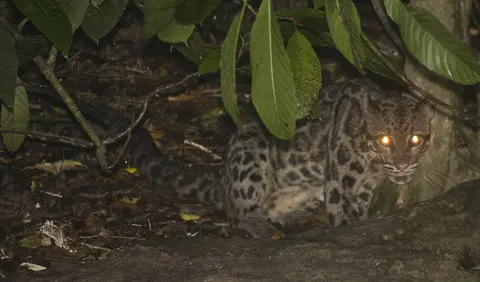
Neofelis diardi
The Sunda clouded leopard is distinct from the mainland clouded leopard. The separation matters when interpreting records from Borneo and Sumatra rather …
 Framed for display
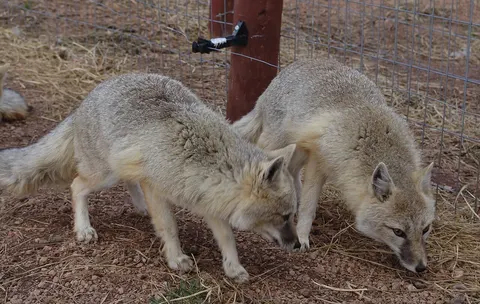
Vulpes velox
The swift fox is a small canid of North American open country. It uses dens not only for raising young but also …
 Framed for display
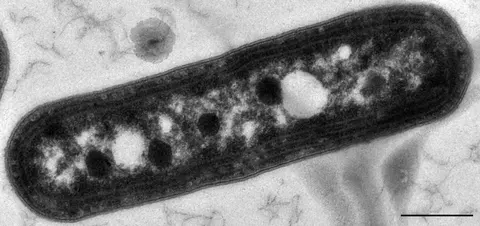
Synechococcus elongatus
Synechococcus elongatus is a photosynthetic cyanobacterium widely used to study biological timing. Research on its clock shows how a single-celled organism can …
 Framed for display
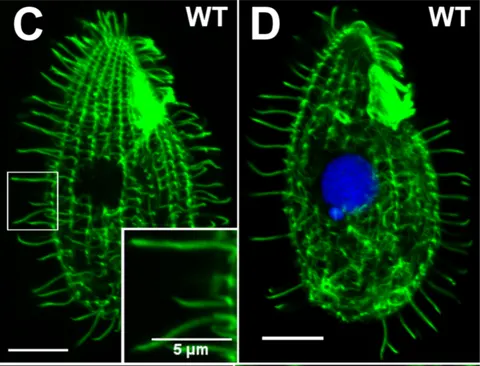
Tetrahymena thermophila
Tetrahymena thermophila is a free-living ciliate whose single cell supports movement, feeding and two distinct nuclear roles. Its tractable genetics makes it …
 Framed for display
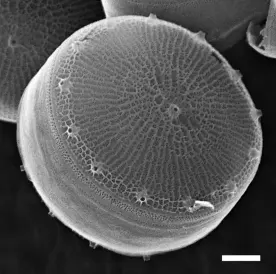
Thalassiosira pseudonana
Thalassiosira pseudonana is a centric diatom with a silica-based cell wall. Its genome helped reveal how a photosynthetic marine microbe acquires nutrients …
 Framed for display
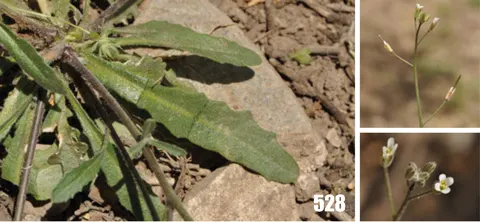
Arabidopsis thaliana
Thale cress is a small flowering plant in the mustard family and a major research organism. A rosette of leaves gives rise …
 Framed for display
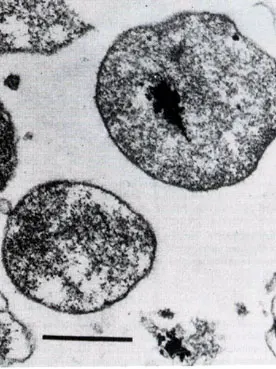
Thermoplasma acidophilum
Thermoplasma acidophilum is an archaeon adapted to hot, acidic conditions. Unlike many microorganisms, it lacks a rigid cell wall and is bounded …
 Framed for display
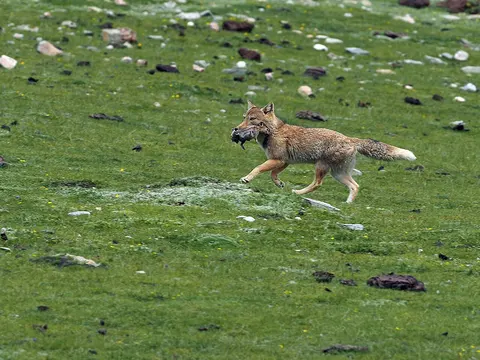
Vulpes ferrilata
The Tibetan fox is a highland canid associated with the Tibetan Plateau and nearby landscapes. Its ecology is tied to small mammals …